


Which indoor socks fit your home?Gemjar socks makes warm wool blend and fleece-lined slipper socks for everyday home wear.
Shop Indoor Wool Socks
Table of Contents
- Can You Wear Wool Socks in the House? The Short Answer
- How Wool Regulates Temperature and Moisture Indoors
- Choosing the Right Wool Sock Thickness for Your Room Temperature
- Wool Slipper Socks With Grippers: Staying Safe on Indoor Floors
- Best Socks for Working From Home: Wool, Cotton, or Blends
- How Often to Wash Wool Socks and Keep Them Soft
- Is It Better to Wear Socks or Go Barefoot Indoors?
- Choosing Your Indoor Wool Socks Next Step
- Frequently Asked Questions
Last Updated: November 21, 2026
Can You Wear Wool Socks in the House? The Short Answer
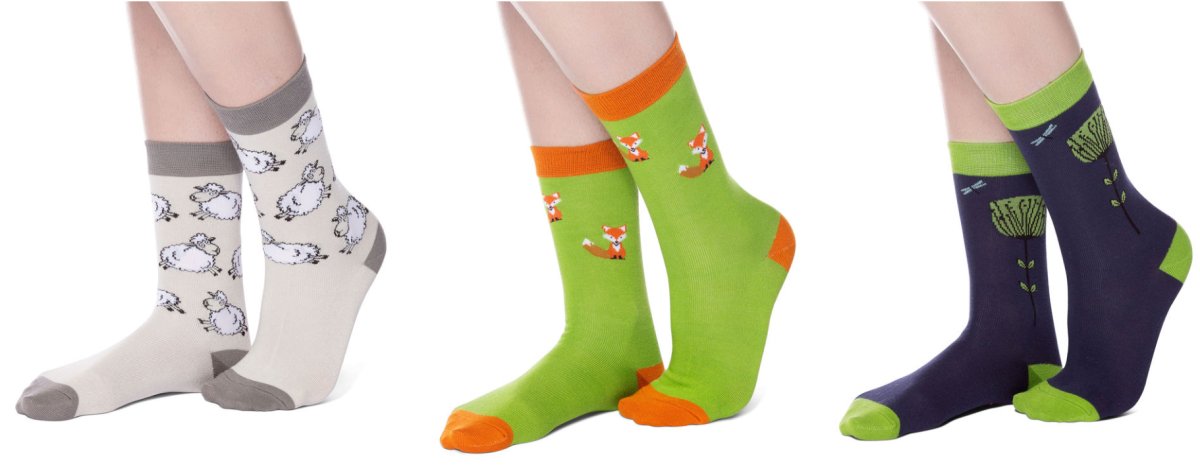
Yes, you can wear wool socks in the house, and many people do. Gemjar socks makes wool blend socks for everyday warmth, with thick ribbed cuffs. So can you wear wool socks in the house comfortably? The short answer depends on the thickness, the fiber mix, and how warm your room is.
Wool is a natural fiber that handles changes in temperature well. That is why it works indoors as well as outdoors.
- Thin wool socks suit warm rooms and light activity.
- Thick wool blend socks suit cold floors and long evenings on the sofa.
- Slipper socks with grippers suit moving around on hard floors.
How Wool Regulates Temperature and Moisture Indoors
Wool is generally known for keeping feet warm in cold rooms and for moving moisture away from the skin.
- Wool absorbs moisture without feeling wet against the skin.
- It breathes, so feet are less likely to get clammy.
- It stays warm even when slightly damp.
Gemjar wool blend socks are made from a blend of wool, polyester, nylon and acrylic.
Choosing the Right Wool Sock Thickness for Your Room Temperature
Thickness matters more than most people expect, and so does what you are doing while you wear the socks. A heavy sock in a warm room can make feet sweat, a thin sock on a cold floor can leave toes chilly, and the same pair can feel right at a desk but wrong on a treadmill. Use room temperature and activity together, not temperature alone.
A simple way to think about it:
- Warm room (above 22°C) and light activity: Choose a lightweight wool sock for a thinner, everyday option.
- Average room (18-22°C) and desk work: A lightweight to midweight wool blend works well. Midweight is the most common all-purpose indoor weight.
- Cool room (15-18°C) or cool floors: Move to a midweight sock, and add cushioning under the foot if you stand a lot.
- Cold room (below 15°C) or long evenings seated: A heavyweight wool blend sock with a ribbed cuff holds warmth best.
- Active around the house (cleaning, stairs, chasing kids): Choose a midweight sock with a snug fit and, on smooth floors, a grippy sole. Loose heavyweight socks bunch and slide when you move quickly.
Fiber weight and knit density matter as much as the label. Cushioning under the heel and ball of the foot can add comfort for standing, while a thin sole keeps the sock from feeling bulky in slippers or house shoes.
Watch out: a heavyweight sock in a warm room can trap sweat. If your feet feel clammy, choose a lighter weight.
Some people keep two weights at home: a lighter pair for warm rooms and a heavier pair for cold floors and slow evenings.
The article sets out which sock weight suits each room temperature and activity level.
| Room or activity | Suggested sock weight | Note |
|---|---|---|
| Warm room (above 22°C), light activity | Lightweight wool sock | Thinner everyday option |
| Average room (18-22°C), desk work | Lightweight to midweight wool blend | Midweight is most common all-purpose weight |
| Cool room (15-18°C) or cool floors | Midweight sock | Add cushioning if standing a lot |
| Cold room (below 15°C), long evenings seated | Heavyweight wool blend with ribbed cuff | Holds warmth best |
| Active around the house | Midweight with snug fit | Loose heavyweight socks bunch and slide |
Wool Slipper Socks With Grippers: Staying Safe on Indoor Floors
Slipping on smooth floors is a real risk, especially in socks. Grippers on the sole help keep your footing steady when you walk around the house.
Look for these features when shopping for indoor socks:
- A non-slip sole with grip on the bottom
- A soft fleece lining for warmth
- A snug fit that does not bunch up under your foot
The Blue patterned fleece lined cable knit slipper socks from Gemjar socks have a non-slip sole and soft fleece lining, so they suit lounging at home. Brown patterned fleece lined cable knit slipper socks are another option with the same kind of grip.
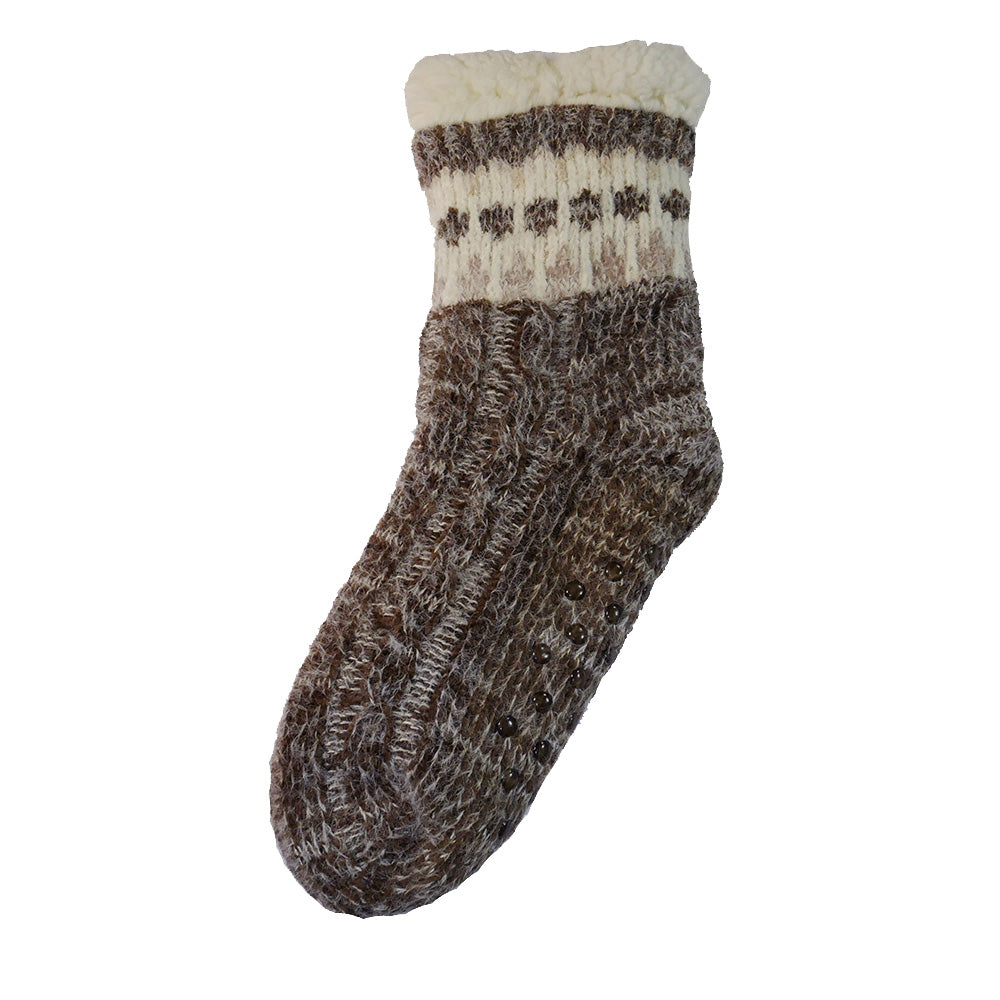
Watch out: plain socks without grip can slide on hard floors. Choose a pair with a non-slip sole before walking on wood or tile.
Best Socks for Working From Home: Wool, Cotton, or Blends
Working from home means sitting for long periods, then moving around the kitchen or the stairs. Your socks need to be comfortable in both situations.
- Wool: Good for cold offices and long sitting.
- Cotton: Light and easy to wash, but holds moisture.
- Wool blends: A middle ground, with warmth and durability.
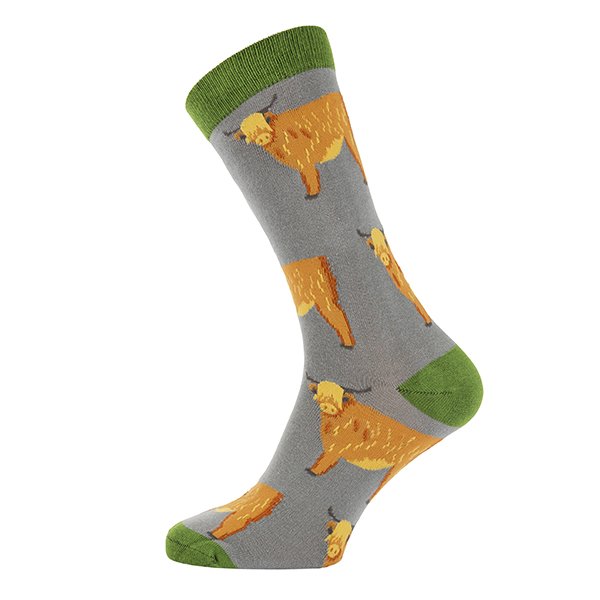
The Green purple and white patterned soft wool blend socks from Gemjar socks are one option for a soft, everyday feel.
How Often to Wash Wool Socks and Keep Them Soft
Wool socks do not always need washing after every wear. Wash them when they smell, look dirty, or feel damp after a long day. Between washes, air them out overnight and rotate pairs so each one has time to dry fully. Rotation is the simplest way to keep indoor wool socks from stretching at the heel and cuff.
Follow these care steps to keep them soft and the fit consistent:
- Turn socks inside out before washing so fiber pills and skin oils release from the inside.
- Use a gentle or wool cycle on cool water.
- Use a mild detergent without bleach or fabric softener.
- Avoid wringing or twisting. Squeeze gently, then roll in a towel to remove excess water.
- Lay them flat to dry, away from direct heat and sunlight.
Heat can cause wool to shrink and stiffen, so air drying is generally a gentler choice.
Slipper socks with fleece linings and non-slip soles should be checked against the care label, because the sole and lining may not tolerate the same cycle as a plain knit sock.
Watch out: washing wool socks with heavy items such as jeans or towels causes friction that pills and stretches the knit. Wash them with light items or in a mesh laundry bag.
Is It Better to Wear Socks or Go Barefoot Indoors?
Going barefoot feels natural, but cold floors can make feet uncomfortable. Socks keep feet warm and can add grip if you choose slipper socks.
Many people switch between the two depending on the room and the time of day. Socks suit cold mornings and evenings, while bare feet suit warm rooms in summer.
Choosing Your Indoor Wool Socks Next Step
Wool socks work well in the house when you match the thickness and grip to your room and your routine. Start with a thick wool blend pair for cold floors, and add slipper socks with grippers if you walk on hard surfaces.
Browse the Gemjar socks range to find the right pair for your home.
Frequently Asked Questions
Should I wear socks inside my house?
Socks are a sensible choice for most homes, especially when floors are cold, tiled or hard. Wool socks in particular keep feet warm without overheating, because the fibre absorbs moisture vapour and releases it slowly. If your feet tend to sweat, choose a thinner wool blend and change socks when they become damp. Going barefoot can be fine on warm floors, but socks protect against cold, draughts and minor scrapes, and they help keep the soles of your feet clean.
Are wool socks too warm to wear indoors?
They can be, if you pick a heavy knit for a warm room. For most indoor settings, a lightweight or midweight wool blend is comfortable. Thick socks suit cold rooms, long periods sitting still, or bed. If you find your feet sweating or overheating, switch to a thinner pair or take them off while moving around. Wool regulates temperature well, so it tends to feel warm without feeling clammy.
How many days can you wear wool socks before washing?
Many people wear wool socks for one or two days indoors if they stay dry and clean. Wool naturally resists odour better than cotton, so it can be worn more times between washes. Wash them sooner if they feel damp, smell, or if your feet sweat heavily. Turn them inside out, wash on a gentle cycle in cool water with wool-safe detergent, and dry flat to prevent shrinkage.
What is the best thing to wear on your feet around the house?
The best option depends on your floors and comfort needs. Wool-blend socks suit most people for warmth and breathability. Slipper socks with rubber grippers add traction on hard floors and reduce the risk of slipping on stairs or polished surfaces. Avoid wearing plain smooth-soled socks on tiles or wood, as they can be slippery. Choose socks that fit snugly without bunching, since loose fabric is a common cause of trips.

